Local solutions needed to save orchards
“The demise of many established orchards throughout the country may create a short supply of fruit in coming years and increase prices,” says Debbie Swanwick, Spokesperson, Soil & Health – Organic NZ. “We need local solutions such as co-ops or community supported agriculture (CSA) models to ensure their survival.”
The small profit margins received by growers, who often have limited marketing knowledge, are being eroded by low sell-in prices to supermarket chains and high distribution costs, despite there being high demand for fruit.
Windmill in Coastesville, Auckland, a 7 hectare orchard that has been in existence for 35 years, has most recently closed its doors. “A new motorway has diverted traffic away from our front door. Combined with the high cost of taking our product to market and needing to market our product ourselves due to the loss of the Auckland fruit agent, we just can’t compete with big business any more,” says owner Graham Jensen.
Di Celliers, founder of Community Fruit Harvest, says “A lot of local growers’ fruit is going to waste because they can’t get it to market. Limited supply will increase the price of fruit whilst compromising choice.”
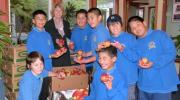
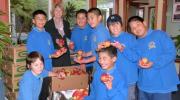
Community Fruit Harvest picks unwanted fruit throughout New Zealand and donates it to charity. A lot of the fruit is spray-free, giving people on low incomes access to good quality food that typically they would not be able to afford.
“People having access to good food in general is a national problem with a local solution,” says Swanwick. “The community supported agriculture or farm-share option could be used to save these orchards or fruit distributed through food co-operatives.”
A CSA involves community members buying a share in the farm to support that farmer for a specified period. Seven Springs Farm in the Waitakere Ranges, which is profiled in the July/August issue of Organic NZ magazine, is an example of a local market garden CSA. “There is no reason why the model can’t be adopted by orchardists,” says Swanwick.
Alternatively local food co-operatives could market produce for orchardists. Food co-operatives purchase produce and dry goods at wholesale prices. Community members can then join the co-op and pay a small margin on top of the wholesale price giving, them good quality food (often organic) for less than retail. This makes organic food more affordable for people and gives suppliers better returns.
In New Zealand certified organic produce is labelled as BioGro, Demeter, AsureQuality and OrganicFarmNZ.
“Consumers need to start growing local and buying local if they want a say in what they will eat in years to come,” says Swanwick. “If they don’t, small growers will be pushed out of business and they will have to buy and eat what corporate farmers tell them to. That may be fruit that is genetically engineered and laden with pesticides. That kind of apple will send you to the doctor not keep the doctor away.”
Soil & Health – Organic NZ is one of the oldest organic organisations in the world and advocates for the consumer’s right to have fresh, healthy, organic food and water free of GE, pesticides and additives and their right to know what is in their food and water. Oranga nuku, oranga kai oranga tangata. To learn more about what is really in your food subscribe to their Facebook Page and subscribe http://www.facebook.com/OrganicNZ
To view online click here www.organicnz.org.nz/node/691
Photo caption: Students from Birkdale Primary participate in a Community Fruit Harvest pick. Low income earners will benefit from their labors through charity food banks.
References
(1) http://www.oanz.org/casestudies/OANZ-full%20report%202012.pdf
(2) http://www.stuff.co.nz/business/farming/245009/Apples-going-organic
(3) http://www.soilassociation.org/communitysupportedagriculture
(4) http://www.windmillorchards.co.nz/
(5) http://www.pickfruit.co.nz/