• Link to Facebook
  • Link to Instagram
  • Link to LinkedIn
Reset access here. New digital membership system.
Soil and Health Association of NZ
  • GE Donate
  • About Us
    • History
    • Policies
    • National Council
    • Team
    • Branches
    • Contact Us
  • Events
  • Shop
  • Login
  • Membership
  • Click to open the search input field Click to open the search input field Search
  • Menu Menu
Blog - Latest News

Biodiversity in agriculture/diverse agriculture

26 February 2017/in Farming and Horticulture

Agriculture is one of the fundamental drivers behind biodiversity loss worldwide. Monoculture crops and livestock, synthetic fertilisers and pesticides are the greatest contributors to the loss of biodiversity in agriculture.

In agriculture, synthetic pesticides are often used to eliminate unwanted weeds, pests and diseases, reducing biodiversity, particularly key soil microbial diversity in the system and upsetting ecosystem balance.

Two-thirds of the GE crops grown in the world are engineered to be used with harmful pesticides, and other GE crops release insecticides. Monoculture cropping, which is the norm in industrialised farming, reduces biodiversity. However, it is this very biodiversity that provides the key to pest protection, pollination, nutrient cycling, healthy soils and water quality.

Organic farming methods work to promote biodiversity and encourage wildlife in the system. This includes protecting and enhancing forest remnants, wetlands and other natural ecosystems that support wildlife. Organic farming also includes biodiversity as a way to enhance production. Allowing for diversity in an agricultural system helps to increase resilience to climate change and market fluctuations and reduces susceptibility to pest and disease outbreaks.

The Soil & Health Association supports:

Diverse organic farming systems that encourage biodiversity and wildlife in the system and help protect and enhance native ecosystems.

Natural forms of pest control.

Mixed rotational farming and keeping a living root in the soil at all times to sequester carbon.

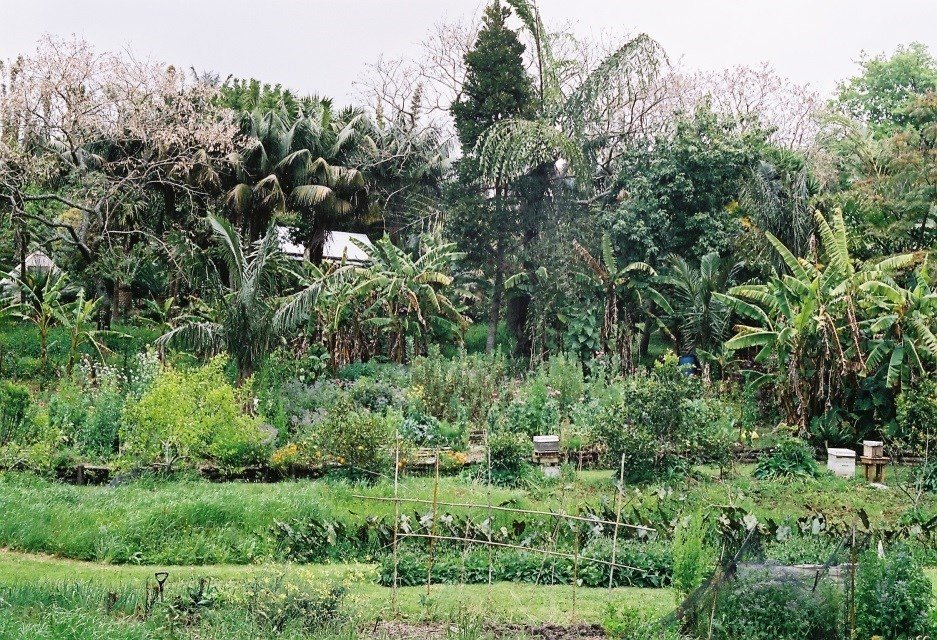
Appropriate tree planting and the creation of regenerated forested areas in farming and agriculture, including planting of species native to the area, the creation of fruit and nut orchards, copses, hedgerows and shade and windbreak trees. We discourage the use of monoculture crops in agriculture systems.
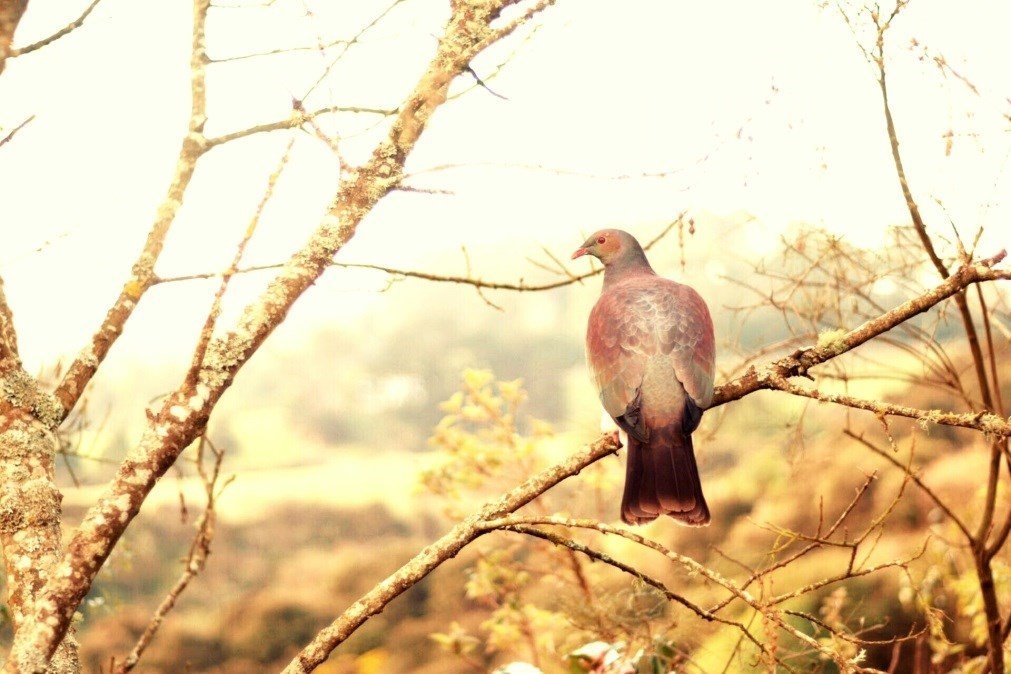
                                            Photo credit: Nick Holmes

Tags: biodiversity, policy
https://soilandhealth.org.nz/wp-content/uploads/2024/09/Soil-and-Health-Association_logoFA-web2024.jpg 0 0 editor https://soilandhealth.org.nz/wp-content/uploads/2024/09/Soil-and-Health-Association_logoFA-web2024.jpg editor2017-02-26 15:37:022024-08-18 16:46:42Biodiversity in agriculture/diverse agriculture
You might also like
Food Sovereignty policy Clean waterways
Food Sovereignty policy Animal welfare
beach and coastal scenery Soil & Health Submission on the Natural Environment Bill 2025
Soil & Health Submission on the ‘Draft Inputs Notice for Generic Substances’
Food Sovereignty policy GE/GM
Food Sovereignty policy Healthy Soil
Food Sovereignty policy Food Sovereignty, resilience & security
Food Sovereignty policy Where’s our food from? Better labelling a step forward

Latest Posts

  • Counting earthworms at Tapu Te Ranga
    Event grants for Soil & Health members14 June 2022 -
  • Example calendar covers 2026
    2027 Calendars30 July 2026 -
  • Tick boxes or checklist
    2026 AGM Voting1 July 2026 -
  • Cows in Field
    Submission on the Agricultural Compounds and Veterinary Medicines Amendment Bill29 June 2026 -
  • Call for nominations and remits — 2026 AGM27 June 2026 -
  • 2026 AGM of the Soil & Health Association: 26 September27 June 2026 -
  • honeybee on forget-me-not flower
    Submission on the Hazardous Substances and New Organisms Amendment Bill14 June 2026 -
  • Organic Week returns with online events on soil, food and health29 April 2026 -
  • UPDATE: Te Henga Wetland Spraying with Glyphosate8 April 2026 -
  • beach and coastal scenery
    Soil & Health Submission on the Natural Environment Bill 20258 April 2026 -
  • Australasian bittern - matuku/hūrepo - in wetland
    Te Henga Wetland6 March 2026 -

Content

  • Tags
  • Categories
  • Content
  • Branches
  • Gallery – People

About

  • About Us
  • History
  • Careers
  • Team
  • Donate

Privacy

  • Privacy Policy
  • Terms and Conditions
  • Contact Us
  • Reset access
  • Renew your membership

Social

  • Facebook
  • Instagram
  • LinkedIn
  • Join
  • Logout
© 2024 Soil and Health Association NZ, All rights reserved. Some content CC Creative Commons. Thanks to all open source Wordpress & CiviCRM contributors.
  • Link to Facebook
  • Link to Instagram
  • Link to LinkedIn
Link to: Clean waterways Link to: Clean waterways Clean waterways Link to: Pesticides Link to: Pesticides Pesticides
Scroll to top Scroll to top Scroll to top