Climate change
Agriculture, poorly executed, is one of the largest contributors to climate change. In Aotearoa New Zealand nearly 50% of greenhouse gas emissions are caused by agriculture. Agriculture can contribute to climate change through the use of synthetic fertilisers, which tend to burn up carbon in the soil, destabilize soil microbe populations and release nitrous oxide. This adds to nutrient deficient, unhealthy, pesticide dependent plants and animals, greater fossil fuel use in transportation, and the release of CO2 into the atmosphere from soil degradation and erosion. Organic agriculture however can work to mitigate climate change through:
Reducing greenhouse gases, especially the release of CO2 from the soil, by avoiding high synthetic soluble nitrogen fertilisers and minimising nutrient losses.
Sequestering carbon in soil and plant biomass by building organic matter in soil, encouraging a greater use of trees and perennial plants, and protecting and enhancing indigenous ecosystems.
Minimising energy consumption by eliminating the energy required in manufacturing synthetic fertilisers, and by reducing reliance on external inputs, by using internal farm inputs as much as possible, thus reducing fuel used for manufacture and transport.
Minerals such as lime, magnesium and trace elements that provide the mineral balance and amounts needed for microbial, root and humus growth, which is fundamental for building healthy soils and sequestering carbon.
Reducing methane emissions from ruminant animals by having lower stock density and by planting high-tannin species such as birdsfoot trefoil, and deep-rooted herbs that recycle minerals with natural efficiency, which in turn reduce methane emissions from stock that eat them.
Using agro-ecological systems that implement crop and stock rotation systems, with Holistic Management which build healthy soils, healthy plants and healthy livestock.
The Soil & Health Association believes it is possible to rapidly and profitably transform Aotearoa New Zealand agriculture from a net emitter of greenhouse gases to net sequesterer. Soil & Health commits to providing education and information to farmers on approaches to grazing and cultivation and agroforestry/farm forestry that will quickly turn NZ agriculture into a net sequesterer of atmospheric carbon in the form of long-term humus in productive, profitable soils and sustainable woodlots.
We are committed to:
Supporting organic farming and land-use practices that reduce greenhouse gas emissions and work to mitigate climate change.
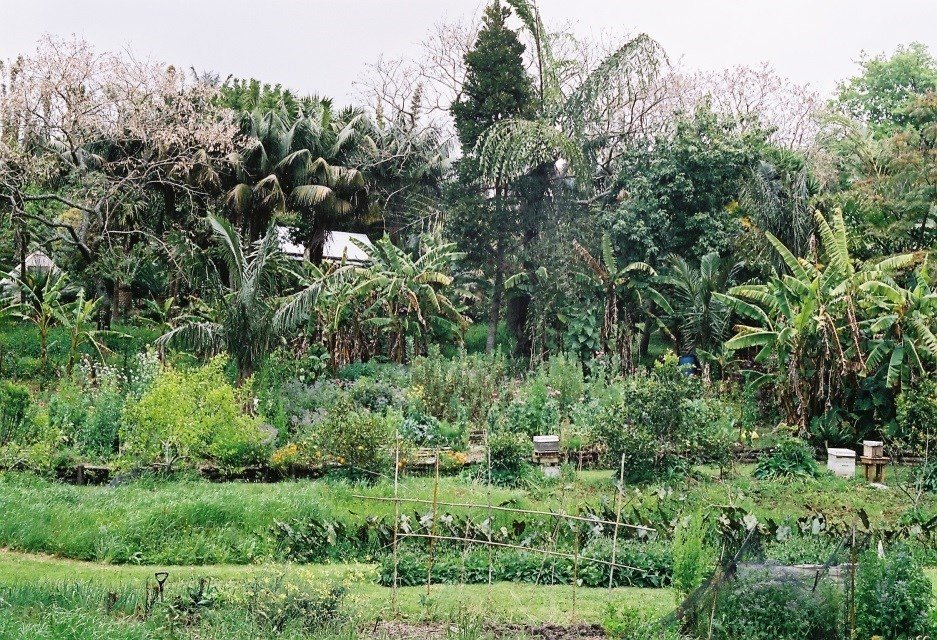
Encouraging appropriate organic agriculture practices that sequester carbon in soil and plant biomass such as taller grass grazing, agro-forestry, cover cropping, mixed cropping, food forests and urban gardens.
Supporting small-scale and local food production and consumption to reduce emissions released through transportation.
We believe that organic agriculture:
Is part of the solution to climate change.
Can and should form the basis of national governmental policies and common farming practices to reverse climate change.
 Photo credit: Nick Holmes