Soil & Health launches glyphosate campaign
The Soil and Health Association are calling for councils to stop spraying glyphosate to keep New Zealand families safe.
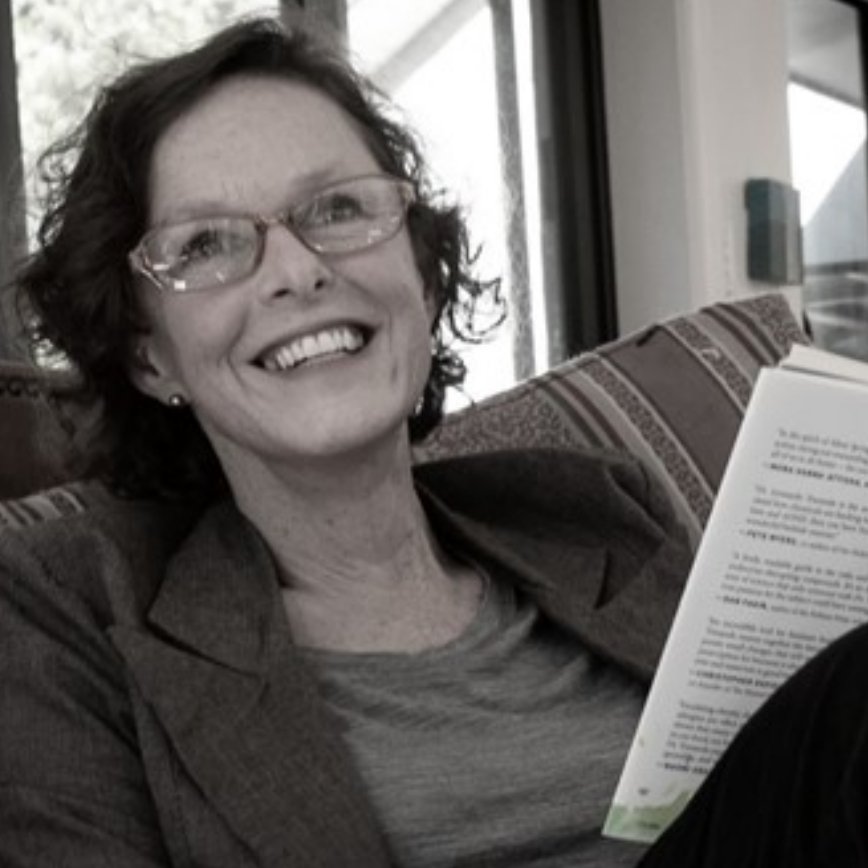
‘The public increasingly understand that it is no longer acceptable to be exposed to glyphosate-based herbicides,’ says Soil & Health spokesperson Jodie Bruning,
We are working with US based Non-Toxic Neighbourhoods who have had significant success helping councils transition affordably to non-toxic urban management.
The importance of glyphosate science
Public health scientists think it is bizarre that the findings of the most prestigious cancer agency in the world were rejected by New Zealand’s Environmental Protection Authority (the EPA).
The International Agency for Research on Cancer (IARC) determined that glyphosate probably causes cancer in humans. The IARC also found that glyphosate (and it’s commercial formulations) definitely causes cancer in laboratory animals – placing our pets at risk too.
In 2016 the EPA produced what scientists consider to be a flawed cancer review to discredit the findings of the EPA’s own cancer authority. New Zealand professors and scientists remain ‘mystified’ and have spoken repeatedly (here and here and here) about the EPA’s frozen stance on glyphosate. An Official Information [ENQ-35127-N5J6C7] request has found that the EPA has never conducted a formal risk assessment of glyphosate or the commercial formulation.
Glyphosate is not just a cancer risk. Scientific studies show that glyphosate-based herbicides, including Roundup, may not only probably cause cancer but cause oxidative stress and disrupt endocrine system function which can set the stage for disease and delays.
Chemical companies are paying out for the damage caused
Following the IARC decision, cases in the U.S. have awarded the claimants damages against Monsanto (since 2018, owned by Bayer). The court cases uncovered evidence that showed how Monsanto took action to limit and distort public knowledge. Punitive damages were awarded for ‘reprehensible’ conduct. The jury trials are now under appeal with Bayer claiming the verdict of regulators across the world upholds Bayer’s stance. Unfortunately, as scientists have illustrated (in Europe and the USA), regulatory agencies relied on ghostwritten industry studies and ignored data that the IARC considered important.
In June 2020 Bayer proposed a settlement of USD$8.8-10.9 billion to settle over 125,000 U.S. lawsuits to resolve Roundup litigation. Bayer has framed the complex settlement proposal as an end to ‘uncertainty’. The proposal contained no admission that glyphosate-based herbicides caused the cancer claimed by cancer sufferers, many former farmers, who see the proposal as a slap in the face. The settlement proposal may restrict future claimants from a jury trial. New Zealand doesn’t face the same court cases here because the ACC covers such cases as accidents.
Why isn’t New Zealand taking action?
Ignoring the calls of scientists, New Zealand councils refer to the New Zealand Environmental Protection Authority (NZ EPA) to claim that glyphosate is a ‘low toxicity herbicide’. The hazard rating given by the NZ EPA provides a legal rationale that it is safe enough to spray in public places. This is wrong!
It is evident from operations in Auckland and Christchurch that councils and contractors need to make a lot of changes in order to shift away from glyphosate dependency – like any addiction – shifting to a new mindset isn’t always easy. Much of the management and contract negotiation are out of the public eye – so it is difficult for the public to understand what is going on. Councils don’t appear to be undertaking properly accountable trials with new technologies and recording and documenting trial methods, how they cope with and reduce over time the weed seed banks, and making this information public. We know non-toxic alternatives and management regimes can never neatly replace toxic chemical use. Shift away from addiction requires a change in mindset and operations.
We also understand that councils struggle to adopt the precautionary principle. This would help deal with uncertainty (which is always present). Councils may not be comfortable weighing the risk to families, and particularly babies and children, with the risk of complaints from irate rate-payers or staff worried about the stress on physical assets. These are value-based decisions, and are an important part of making any decision to protect health or the environment.